
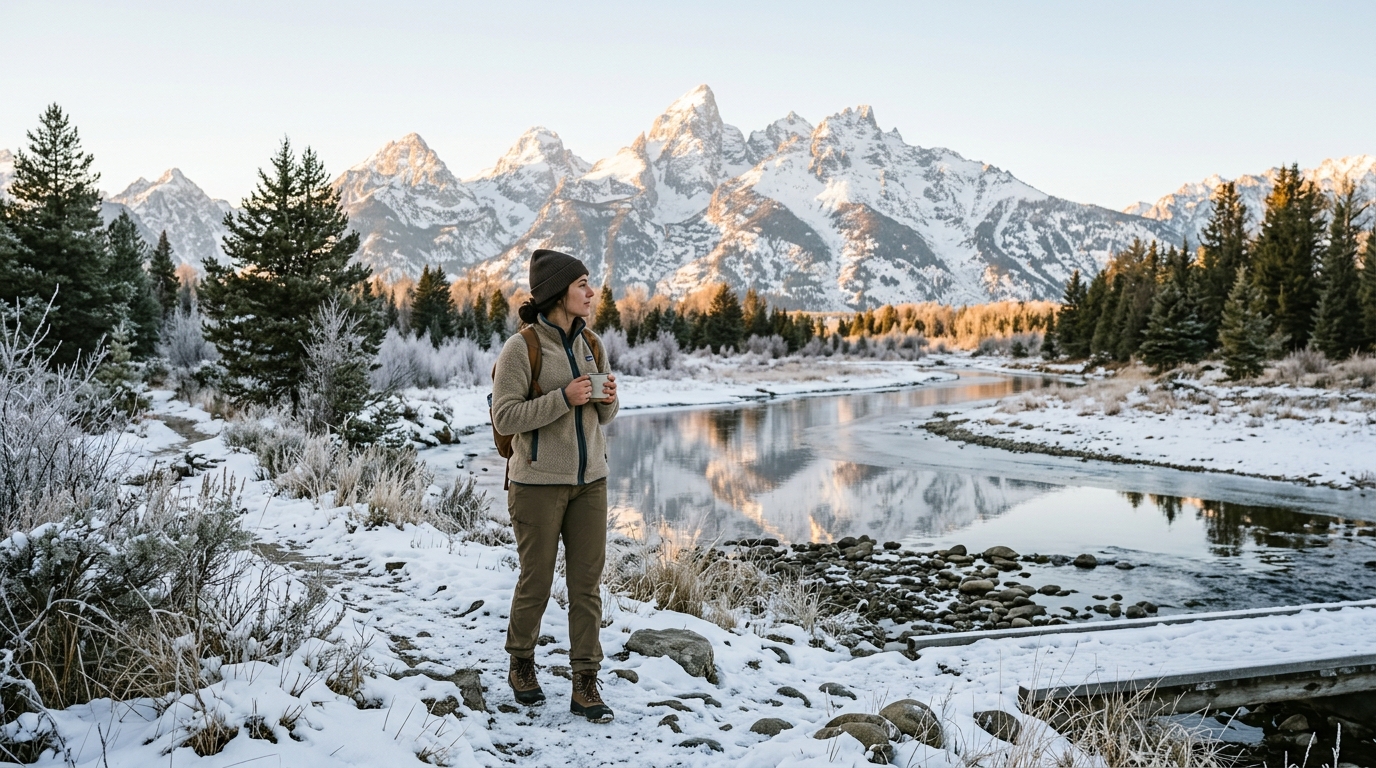
You see it in the grocery store checkout line at Albertsons on a Tuesday morning. A woman in Carhartt overalls stands behind a guy in a $3,000 Arc’teryx jacket. Both are buying the same organic milk that costs $7.99. Both are locals. Both chose to be here.
That’s Jackson Hole in a single frame.
Living in Jackson Hole means embracing extreme seasonal shifts, housing costs that rival major cities, and a community where your barista might also be your ski instructor. The trade off includes unmatched outdoor access, a tight knit social fabric, and the daily presence of wildlife and wilderness that most people only experience on vacation. Success here requires financial planning, flexibility, and genuine love for mountain life.
The housing reality nobody sugarcoats
Let’s start with the hard part because it matters most.
A one bedroom apartment in town starts around $2,200 per month. A two bedroom pushes $3,000 or higher. Purchase prices begin in the mid $600,000s for condos and climb past $1.5 million for modest single family homes.
These numbers shock people. They should.
The valley sits entirely within Teton County, which has some of the most expensive real estate per capita in the United States. Federal land surrounds the area on three sides. Grand Teton National Park borders the town. The National Elk Refuge takes up the valley floor to the north. Development space is severely limited by geography and regulation.
Many full time residents live in Driggs, Victor, or Alpine. These Idaho and Wyoming towns sit 30 to 45 minutes away over Teton Pass or down the Snake River Canyon. Rent runs $400 to $800 less per month. The commute adds time and winter driving stress, but it makes the math work.
Employee housing programs exist through major employers like Jackson Hole Mountain Resort, St. John’s Health, and Teton County. These subsidized units help service workers, teachers, and healthcare staff stay local. Wait lists stretch months or years depending on the property.
“I moved here in 2019 thinking I’d rent for a year and buy. Five years later, I’m still renting. The market moved faster than my savings ever could. But I’m still here because the life I have access to is worth the financial trade off.” – Local restaurant manager
Here’s what what it really costs to live in Jackson Hole in 2026 breaks down in detail, but the short version is this: plan for 30% to 50% of your income going to housing, and have a financial cushion before you arrive.
The work culture runs on hustle and seasonality
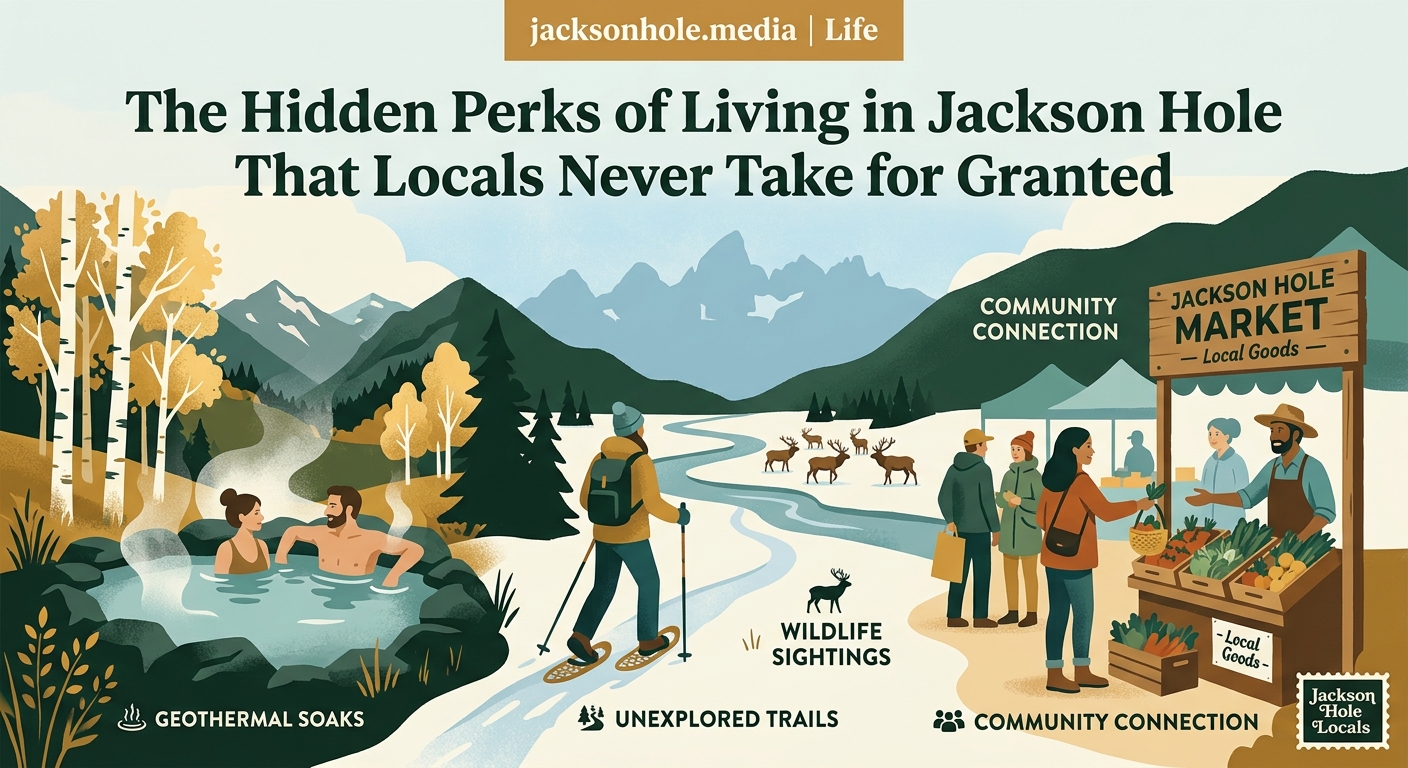
Most people here work multiple jobs. Not because they’re irresponsible, but because that’s how resort town economics function.
You might guide rafting trips in summer, teach skiing in winter, and bartend year round. Or you work remotely four days a week and guide fly fishing on weekends. The combination economy is standard operating procedure.
Seasonal employment dominates. Tourism peaks in summer (June through September) and winter (December through March). Shoulder seasons in April, May, October, and November see reduced hours and layoffs across hospitality, retail, and recreation sectors.
Smart locals bank money during peak season to cover slower months. Some leave entirely for shoulder season, working in New Zealand, South America, or other seasonal destinations. This transient rhythm shapes the community in ways that surprise newcomers.
Remote work changed things significantly post 2020. The influx of people who can work from anywhere drove housing costs higher but also diversified the economy. Coffee shops now fill with laptop workers on video calls. Coworking spaces opened. The demographic shifted younger and more professional.
If you’re considering a move with remote work capability, understand that internet reliability matters. Town has solid fiber connections. Rural areas depend on satellite or fixed wireless that can struggle during storms.
| Work scenario | Typical annual income | Housing strategy | Sustainability |
|---|---|---|---|
| Single seasonal job | $25,000 to $40,000 | Employee housing or roommates | Requires second income or savings |
| Multiple seasonal jobs | $45,000 to $65,000 | Shared rentals or Teton Valley | Sustainable with discipline |
| Remote professional | $75,000 to $150,000+ | Independent rental or purchase | Comfortable with planning |
| Established business owner | $60,000 to $200,000+ | Homeownership possible | Stable long term |
The art of working three jobs in a resort town explores this lifestyle in depth, including the social and physical toll it takes over time.
The outdoor access is genuinely unmatched
This is why people stay despite everything else.
Grand Teton National Park sits 10 minutes north of town. Yellowstone is 90 minutes away. The Bridger Teton and Caribou Targhee National Forests surround the valley. You have immediate access to millions of acres of public land.
On a random Wednesday after work, you can:
- Ski 2,500 vertical feet at Jackson Hole Mountain Resort
- Mountain bike the Cache Creek or Teton Pass trail systems
- Paddle String Lake with the Tetons reflected in glass smooth water
- Climb established routes on Blacktail Butte
- Fly fish the Snake River for cutthroat trout
- Trail run in Grand Teton with zero permit required
This isn’t vacation activity. This is Tuesday.
The seasons dictate life rhythm in ways that city dwellers find hard to grasp. Winter means skiing, snowboarding, nordic skiing, and snowshoeing from December through April. Spring brings mud season, unpredictable weather, and spring bear watching in Grand Teton as grizzlies and black bears emerge. Summer opens hiking, climbing, paddling, and biking. Fall delivers golden aspen colors and elk bugling during the rut.
You learn to plan life around conditions. Powder days take priority over meetings. Trail conditions determine weekend plans. Weather in the Tetons changes fast and demands respect.
The wildlife encounters become routine (but never boring)
Moose wander through neighborhoods. Bears raid trash cans. Elk herds cross highways. Bald eagles perch on fence posts. This is daily reality, not National Geographic footage.
You’ll develop habits that seem paranoid to outsiders but are just common sense here:
- Never leave food in your car overnight
- Carry bear spray on trail runs and hikes
- Give moose wider berth than bears (they’re more unpredictable)
- Check your yard before letting dogs out in the morning
- Store trash in bear proof containers or garages
The National Elk Refuge hosts 5,000 to 7,000 elk every winter just north of town. You drive past them going to the grocery store. Wolves occasionally follow the herds down from Yellowstone. Grizzly bears den in the surrounding mountains and forage in the valley during spring and fall.
What happens to Jackson Hole’s wildlife when 3 million tourists show up each year creates real management challenges. Locals develop a protective attitude toward the animals and frustration toward visitors who approach too closely for photos.
You’ll witness tourists doing dangerously stupid things around wildlife. You’ll resist the urge to intervene because you’ve learned that people rarely listen. You’ll call Wyoming Game and Fish when situations get truly dangerous. This becomes part of living here.
The community is smaller and more connected than you expect
Jackson’s population sits around 10,000 permanent residents. Teton County as a whole holds roughly 23,000. In practice, the year round community feels even smaller.
You’ll see the same faces constantly. Your dentist’s kids go to school with your neighbor’s kids. The woman who teaches yoga also works at the outdoor gear shop. The guy who fixed your car shows up at the same concert. This interconnection creates both comfort and occasional claustrophobia.
Social circles form around activities and industries. The ski community, the climbing community, the fishing community, the restaurant community. These overlap but maintain distinct identities. Finding your people takes intention and time.
Newcomers sometimes struggle to break into established friend groups. Locals can be welcoming but also protective of their town and suspicious of people who might leave after one hard winter. Earning local status takes years, not months.
The untold history of Jackson Hole’s Basque community and last working cowboys of the Gros Ventre Valley represent the old guard families who’ve been here for generations. They coexist with tech entrepreneurs, artists, and service workers in an economic mix that creates both tension and vitality.
How Jackson Hole families navigate year round tourism shapes parenting and education in unique ways. Kids grow up skiing black diamonds at age seven and knowing how to read bear sign on trails. They also grow up watching friends move away because their parents couldn’t afford rent increases.
The cultural scene punches above its weight
For a town of 10,000, the arts and culture offerings surprise people.
The Center for the Arts hosts theater, music, and dance performances year round. What happens when Broadway talent moves to Jackson Hole brings professional level productions to a small mountain town. The National Museum of Wildlife Art sits on a bluff overlooking the Elk Refuge with a collection that rivals major city institutions.
Inside the studios of five Jackson Hole artists redefining Western art reveals the creative community that thrives here. Galleries line the town square. First Friday art walks happen monthly. The cowboy poetry scene blends traditional Western heritage with contemporary voices.
Live music happens nightly during summer and several times weekly in winter. Celebrating the craft beer revolution in Teton Valley’s taprooms shows how the beverage scene evolved beyond dive bars. Inside the kitchen of Cache Creek’s most elusive supper club represents the food culture that exists for locals, not just tourists.
The cultural calendar includes:
- Grand Teton Music Festival (summer classical music series)
- Jackson Hole Film Festival (late September)
- Fall Arts Festival (September)
- Elk Fest (May)
- Old Bill’s Fun Run (June)
- Rendezvous Festival (July music and craft fair)
These events bring community together and mark the seasonal progression that structures life here.
The practical steps for making the move work
If you’re seriously considering relocating, here’s the sequence that gives you the best chance of success:
-
Visit during shoulder season, not peak summer or winter. Come in April or November to see the town without tourist crowds and experience the weather reality.
-
Line up work before you arrive. Remote work is ideal. Otherwise, apply for positions three to six months ahead and be ready to start in seasonal hiring windows (November for winter, April for summer).
-
Arrange temporary housing first. Book a month to month rental or extended stay situation. This gives you time to find permanent housing without desperation.
-
Budget 20% more than you think you’ll need. Everything costs more here. Gas, groceries, dining, gear, vehicle maintenance. The premium is real.
-
Bring or buy appropriate vehicles and gear. Four wheel drive or all wheel drive is not optional for winter. Quality outdoor gear matters when you’ll use it constantly. Budget $3,000 to $5,000 for basics if you’re starting from scratch.
-
Connect with communities before you arrive. Join local Facebook groups, follow local businesses on Instagram, reach out to people in your industry. Building connections early helps enormously.
The people who thrive here typically share these traits:
- Genuine passion for outdoor recreation (not just casual interest)
- Financial stability or high risk tolerance
- Comfort with small town social dynamics
- Adaptability to seasonal employment and tourism cycles
- Respect for wilderness and wildlife
- Willingness to work hard physically
The people who struggle or leave within a year usually:
- Underestimated housing costs and couldn’t adjust spending
- Expected consistent work hours year round
- Missed urban amenities like diverse dining, shopping, and entertainment
- Found the winter darkness and cold more oppressive than anticipated
- Couldn’t handle the small town social fishbowl effect
- Treated it like an extended vacation rather than real life
What daily life actually looks like through the seasons
Winter runs November through April. Expect snow from October through May. Temperatures drop below zero regularly in January and February. The sun sets before 5pm in December.
You’ll spend money on skiing, snowboarding, or nordic skiing because that’s what everyone does. Teton Pass becomes a daily commute for many. What it’s really like to spend winter as a ski patrol on Teton Pass shows the commitment required to keep that road open.
Spring is mud season. Trails are closed or destroyed if you use them wet. The town empties between ski season and summer. This is when locals reclaim restaurants and trails. It’s also when seasonal workers leave and businesses operate on skeleton crews.
Summer brings tourists, traffic, and long daylight hours. The sun doesn’t set until after 9pm in June. You’ll adjust your schedule to avoid town square gridlock and popular trailheads. Early morning becomes prime time for recreation before crowds arrive.
Fall delivers the best weather and smallest crowds. September and October offer stable conditions, golden colors, and a collective exhale from the summer chaos. It’s also when locals take their own vacations before winter work ramps up.
The secret swimming holes only year round residents know about become your refuge during summer heat. Trail systems like Cache Creek and the debate about whether e bikes are ruining Jackson Hole trails or saving them reflects how the community negotiates change and access.
The medical and practical services you need to know
St. John’s Health is the primary hospital and medical center. It’s a level three trauma center with good emergency care, but serious cases get airlifted to Idaho Falls, Salt Lake City, or Denver.
Specialist care requires travel. You’ll drive to Idaho Falls (90 minutes) or fly to Salt Lake City for certain procedures. This matters if you have ongoing medical needs.
The airport (JAC) offers direct flights to major hubs but at premium prices. A round trip ticket to Denver or Salt Lake often costs $400 to $800. Driving to Idaho Falls or Salt Lake City airports saves money but adds time.
Groceries cost 20% to 40% more than national averages. Albertsons and Jackson Whole Grocer are the main options in town. Many locals drive to Idaho Falls or Costco runs every few weeks to stock up on staples.
Childcare and education are competitive. Teton County has good public schools but limited capacity. Private schools exist but cost $15,000 to $25,000 annually. Childcare wait lists can stretch months.
Internet and cell service work well in town. Rural areas and backcountry have no coverage. This matters for safety and work if you’re remote.
When you know this place is right for you
You’ll know Jackson Hole fits when you stop thinking about the sacrifices and start living the life.
When you measure your week by powder days, not pay periods. When you recognize half the people at the grocery store. When you instinctively check avalanche forecasts before planning weekend activities. When you’d rather ski than sleep in. When you see a moose in your yard and grab your coffee to watch instead of your phone to photograph.
Why a former Wall Street trader now guides fly fishing trips on the Snake River tells a story you’ll hear repeated in different forms constantly. People who left high paying careers for lower income but higher quality of life. People who chose experience over accumulation.
That’s the core calculation. You trade financial ease and urban convenience for mountain access and tight community. You trade career advancement for lifestyle priority. You trade predictability for seasonal rhythm.
Not everyone should make that trade. It requires honest self assessment about what actually matters to you versus what sounds romantic from a distance.
Making the decision with clear eyes
Living in Jackson Hole is not a fantasy. It’s a daily choice with real costs and real rewards.
The mountains don’t care about your Instagram following. The housing market doesn’t accommodate wishful thinking. The winters don’t get easier because you really love skiing. The community doesn’t owe you friendship just because you moved here.
But if you come prepared, financially stable, genuinely committed to the lifestyle, and willing to earn your place, this valley offers something increasingly rare. A place where wilderness and community intersect. Where your daily life includes experiences most people only dream about. Where you know your neighbors and the names of the peaks you see from your window.
Start with the ultimate first timer’s weekend in Jackson Hole to get a feel for the place. Then come back in a different season. Talk to locals honestly about their experience. Run the numbers multiple times. Consider what you’re gaining and what you’re giving up.
Then make your choice with clear eyes and realistic expectations. The people who succeed here are the ones who wanted exactly this life, not some idealized version of it.