
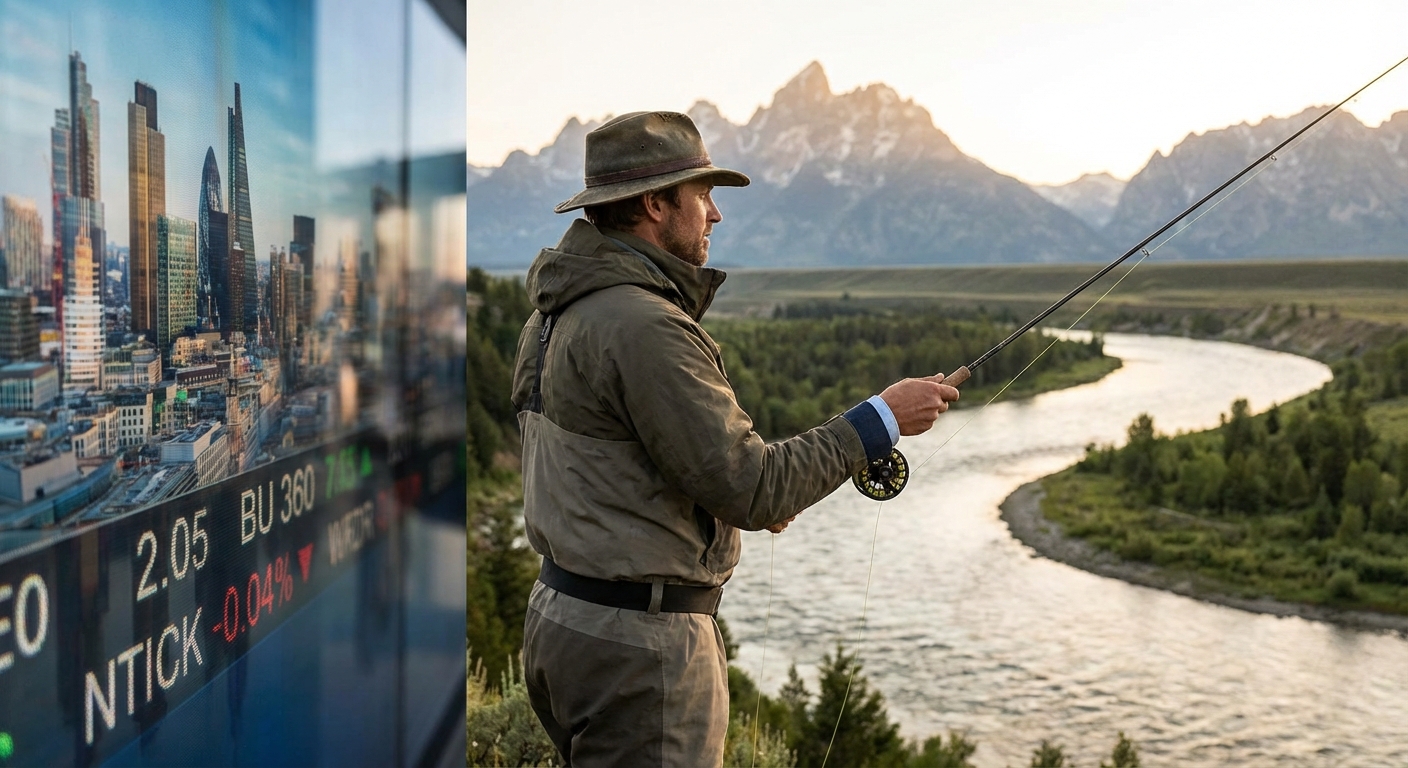
The Snake River carves through Jackson Hole like a liquid highway, carrying trout, memories, and the dreams of anglers who travel thousands of miles for a single cast. But this isn’t a river you just show up to and figure out on your own. The currents are tricky, the hatches are fickle, and the best holes change with every season. That’s where a good guide becomes worth every dollar.
A Snake River fly fishing guide transforms your time on the water from guesswork into genuine skill-building. Local guides know seasonal hatches, reading water conditions, choosing proper flies, and navigating boat launches safely. Whether you’re casting for the first time or refining advanced techniques, professional instruction accelerates learning while maximizing your chances of landing native cutthroat, brown, and rainbow trout in one of America’s most storied fisheries.
What Makes Snake River Guides Different From Other Fishing Instructors
Most fishing guides teach you how to catch fish. Snake River guides teach you how to read an entire ecosystem.
The difference matters. This river runs through Grand Teton National Park, flows past working ranches, and feeds into Palisades Reservoir. Each section has its own personality. The South Fork behaves nothing like the stretch below Jackson Lake Dam. Water temperature, insect activity, and fish behavior shift mile by mile.
A local guide doesn’t just know where trout hide. They understand why they’re hiding there. They can tell you which stonefly species will hatch next week based on water temperature trends. They know which runs produce in high water versus low. They’ve spent thousands of hours watching this river change.
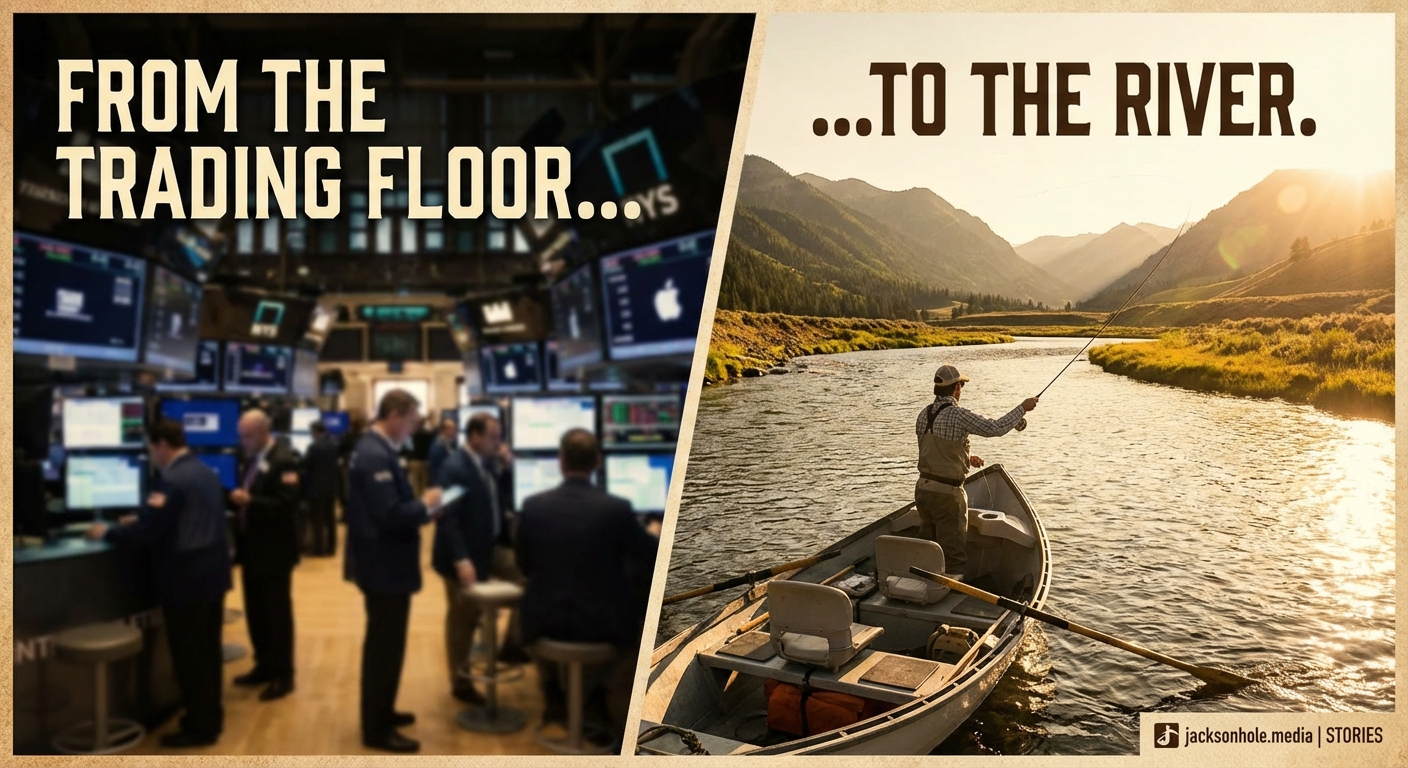
Many guides in Jackson Hole came here for the mountains and stayed for the water. Some, like former Wall Street traders who now guide on the Snake River, brought analytical skills from previous careers that now help them decode complex river systems and teach pattern recognition to clients.
The best ones also understand people. They can adjust their teaching style for a nervous beginner or challenge an experienced angler who needs to break bad habits. They know when to let you work through a problem and when to step in with a correction.
How to Choose the Right Guide Service
Not all outfitters are created equal. Here’s what separates the good from the mediocre.
Permits and insurance come first. Any legitimate Snake River guide operation holds proper permits from the relevant land management agencies. In Grand Teton National Park, that means a commercial use authorization. On other stretches, it might be Bureau of Reclamation or Forest Service permits. Ask to see them. Reputable outfitters will share this information without hesitation.
Insurance protects you if something goes wrong. Professional guides carry liability coverage and workers’ compensation for their staff. If an outfitter hesitates when you ask about insurance, walk away.
Experience on specific river sections matters more than total years guiding. A guide with 20 years on Montana’s Madison River might know trout behavior, but they won’t know the Snake’s nuances. Look for guides who’ve spent multiple seasons on the exact stretches you want to fish.
Client-to-guide ratios tell you how much attention you’ll get. One-on-one instruction costs more but accelerates learning dramatically. Two anglers per guide is standard and works well for couples or friends at similar skill levels. Anything beyond that becomes crowd management rather than teaching.
Boat quality and safety equipment should be obvious. Drift boats should be well-maintained, not patched and faded. Life jackets should fit properly. Guides should carry first aid kits, repair tools, and communication devices.
Here’s what to look for during your initial conversation:
- Do they ask about your skill level and goals?
- Do they explain what to expect on the water?
- Do they discuss backup plans for weather or water conditions?
- Do they provide a clear breakdown of what’s included?
The best guide services treat that first phone call like an interview going both ways. They’re assessing whether you’re a good fit, not just taking your money.
What a Full Day With a Guide Actually Looks Like
Most Snake River float trips follow a similar rhythm, but the details vary by season and section.
Morning preparation starts before you meet your guide. You’ll receive instructions about where to meet, what to bring, and what the outfitter provides. Most services supply rods, reels, flies, and lunch. You bring appropriate clothing, sunscreen, and a willingness to learn.
Rigging and instruction happen at the boat launch. Your guide will set up your rod, explain the knots they’re using, and walk through basic casting mechanics if you’re new. Even experienced anglers benefit from this review because Snake River techniques often differ from what works elsewhere.
The float itself alternates between fishing and learning. You’ll anchor in productive runs, work through likely holding water, and move between spots as conditions dictate. Guides watch your casting, offer corrections, and explain what’s happening beneath the surface.
“The biggest mistake I see is anglers focusing only on the fly while ignoring presentation. A perfect fly with a bad drift catches nothing. A mediocre fly with a natural drift catches fish all day.” – Veteran Snake River guide with 15 seasons on the water
Lunch typically happens mid-float at a scenic spot. This break gives your casting arm a rest and provides time for questions. Good guides use this time to discuss what you’ve learned and preview the afternoon’s strategy.
Afternoon sessions often target different water types. If you spent the morning working deep runs with nymphs, the afternoon might focus on dry fly fishing in riffles. Variety keeps things interesting and builds a broader skill set.
End-of-day debriefs happen back at the takeout. Your guide will recap what worked, suggest practice drills, and recommend flies or techniques to try on your own.
Essential Skills Every Guide Will Teach You
Professional instruction covers far more than just casting. Here are the core competencies you’ll develop.
Reading Water
Trout don’t distribute randomly. They hold in specific spots based on current speed, depth, oxygen levels, and food availability. Guides teach you to identify:
- Seams where fast and slow water meet
- Foam lines that concentrate insects
- Depth changes that create feeding lanes
- Structure like rocks and logs that provide cover
This skill transfers to any river you fish for the rest of your life.
Fly Selection
Matching the hatch sounds simple until you’re staring at a fly box with 200 options. Guides simplify this by teaching you to observe what’s actually on the water, not what you think should be there.
You’ll learn to:
- Capture insects from the surface or streambed
- Identify major categories like mayflies, caddis, and stoneflies
- Match size and color before worrying about exact species
- Choose attractor patterns when nothing’s hatching
Presentation Techniques
Getting your fly to drift naturally requires understanding current dynamics and line management. Guides will teach you:
- Mending to control drag
- Leading your cast to account for current speed
- Adjusting depth with split shot or indicator placement
- Setting the hook at the right moment
Knot Tying
You’ll tie knots repeatedly throughout the day. Guides ensure you can tie them correctly under real conditions, not just at home with YouTube playing.
Essential knots include:
- Improved clinch for flies to tippet
- Surgeon’s knot for joining leader sections
- Non-slip loop for articulated streamers
- Nail knot for leader to fly line (advanced)
Seasonal Considerations for Snake River Fishing
The river changes dramatically throughout the year. Understanding these patterns helps you time your trip and set realistic expectations.
| Season | Water Conditions | Primary Hatches | Best Techniques | Skill Level |
|---|---|---|---|---|
| Spring (April-May) | High, cold, off-color | Midges, early stoneflies | Nymphing deep runs | Intermediate+ |
| Early Summer (June-July) | Peak runoff, challenging | Salmonflies, golden stones | Dry flies near banks | All levels |
| Late Summer (August-September) | Low, clear, technical | Terrestrials, tricos, BWOs | Precise presentations | Beginner-friendly |
| Fall (October-November) | Stable, excellent visibility | Baetis, streamers | Nymphs and streamers | All levels |
Runoff season challenges even experienced anglers. High water pushes fish to the banks and makes wading dangerous. Guides know which sections remain fishable and how to adjust tactics for murky water. This isn’t the best time for beginners, but it can be incredibly productive with proper instruction.
Late summer offers ideal learning conditions. Lower, clearer water lets you see fish and watch how they respond to your presentations. The tradeoff is that fish become more selective, requiring better technique. Guides help you develop precision during this window.
Fall combines excellent conditions with fewer crowds. Water temperatures drop, fish become more aggressive, and the scenery rivals anything you’ll see in the Rockies. This is when many locals do their personal fishing.
Common Mistakes Guides Help You Avoid
Even experienced anglers develop bad habits. Professional instruction catches these before they become ingrained.
Overworking the water scares more fish than it catches. Beginners often make too many casts to the same spot, creating disturbance that puts fish down. Guides teach you to make each cast count, then move on.
Poor line management creates drag that spooks selective trout. Your fly needs to drift at the same speed as the current. Excess line on the water, improper mending, or bad positioning all create unnatural movement. Guides position the boat and coach your technique to minimize drag.
Wrong fly depth accounts for most fishless days. Trout feed in a narrow vertical zone. Six inches too high or too low means your fly passes unnoticed. Guides adjust your rig throughout the day as conditions change.
Rushing the hook set either breaks tippet or pulls the fly away. The right timing varies by technique. Nymph fishing requires a firm strip-set. Dry flies need a gentle lift. Guides drill proper technique until it becomes automatic.
Ignoring safety creates preventable accidents. The Snake River is cold, even in summer. Currents are stronger than they look. Guides enforce safety protocols around wading depth, boat movement, and weather awareness.
What to Expect in Terms of Cost and Value
Snake River guide services range from around $500 to $700 for a full day, depending on season, boat size, and angler count. Half-day trips run $350 to $450.
That price typically includes:
- Professional guide with local expertise
- Drift boat and all rowing
- Rods, reels, and terminal tackle
- Flies for the day
- Lunch and beverages
- Instruction tailored to your level
Not included:
- Fishing license (required, available online or at local shops)
- Gratuity for your guide (15-20% is standard for good service)
- Personal gear like waders, boots, and rain jackets
- Lodging and transportation
The value extends far beyond one day on the water. You’re purchasing compressed learning that would take seasons to acquire on your own. You’re gaining local knowledge that guidebooks can’t provide. You’re building skills that improve every future fishing trip.
Many anglers return to the same guide year after year, building a relationship that deepens their understanding of the river and the sport. That continuity creates value that compounds over time.
Preparing for Your First Guided Trip
Proper preparation maximizes your investment and enjoyment.
Physical conditioning helps but isn’t required. You’ll spend hours sitting in a boat, standing to cast, and occasionally walking rocky banks. Basic fitness makes everything more comfortable. If you have mobility limitations, discuss them with your guide when booking. They can adapt the experience.
Mental preparation matters more than most people realize. Fly fishing rewards patience and attention. You’ll learn faster if you arrive ready to observe, listen, and practice. Leave work stress behind. This is your time.
Clothing choices can make or break your day. Layers work better than single heavy pieces. Conditions change throughout the day. Bring:
- Moisture-wicking base layer
- Insulating mid-layer (fleece or down)
- Waterproof outer shell
- Sun protection (hat, buff, sunglasses)
- Wading boots if you own them (guides often provide these)
Sunscreen and lip balm are non-negotiable. The Wyoming sun at 6,000 feet elevation burns faster than you expect. Reflection off the water intensifies exposure. Apply before you launch and reapply at lunch.
Bring a small notebook if you’re serious about learning. Jot down fly patterns that worked, techniques that clicked, and spots you want to remember. Your guide will appreciate the attention, and you’ll retain more.
How Guides Fit Into Jackson Hole’s Outdoor Culture
The Snake River guide community represents a particular slice of valley life. These aren’t just fishing instructors. They’re storytellers, naturalists, and often refugees from careers that didn’t feed their souls.
Many guides work seasonally, spending winters skiing or traveling. Others have built year-round businesses that include ice fishing, hunting trips, or fly shop operations. The work attracts people who value autonomy and outdoor access over conventional career paths.
This lifestyle choice mirrors broader patterns in Jackson Hole, where working cowboys in the Gros Ventre and other traditional occupations persist alongside modern tourism. The guide culture carries forward a legacy of showing people the land while protecting it.
Conservation runs deep in this community. Responsible guides practice catch-and-release, educate clients about native species, and support habitat restoration efforts. They understand that their livelihoods depend on healthy fisheries.
When you hire a Snake River fly fishing guide, you’re tapping into this network of knowledge and values. You’re also supporting a local economy that prioritizes experience over extraction.
Beyond the Basics for Returning Clients
Once you’ve mastered fundamentals, advanced instruction takes your fishing to new levels.
Streamer fishing for big browns requires different skills entirely. You’re no longer imitating drifting insects. You’re presenting baitfish or leeches with aggressive strips and pauses. Guides teach you to read predator lies, vary retrieve speeds, and handle powerful strikes.
Euro nymphing techniques have revolutionized how anglers fish subsurface. This method uses long, light rods and weighted flies without strike indicators. It’s incredibly effective but requires coaching to master the subtle takes and line control.
Sight fishing to visible trout tests your stalking and presentation skills. Guides position you for clear views, help you identify feeding fish, and critique each cast in real time. This accelerates learning faster than blind fishing ever could.
Entomology deep dives answer questions about why fish prefer certain flies. Serious anglers want to understand insect life cycles, emergence patterns, and behavioral triggers. Guides with this knowledge transform fishing from pattern matching into strategic problem-solving.
Making the Most of Your Time on the Water
A few mindset shifts separate average days from exceptional ones.
Ask questions throughout the trip, not just at the end. Good guides welcome curiosity. They’d rather explain why they’re doing something than have you wonder silently.
Practice what your guide teaches immediately. When they correct your casting stroke, make the adjustment on your next cast. Immediate application cements learning.
Pay attention to everything, not just your own rod. Watch how your guide reads water, positions the boat, and reacts to changing conditions. Observation teaches as much as direct instruction.
Accept that you’ll make mistakes. Everyone does. Guides expect tangles, broken tippet, and missed strikes. What matters is learning from each error.
Celebrate small victories. Your first good drift, first mended cast, or first fish on a dry fly all represent real progress. Guides notice these moments and will share your excitement.
Why This Investment Changes How You Fish Forever
A day with a skilled Snake River fly fishing guide compresses years of trial and error into focused instruction. You’ll leave with muscle memory, pattern recognition, and confidence that transforms every future trip.
The river itself becomes readable rather than mysterious. You’ll see structure where you once saw just water. You’ll notice insect activity that previously went undetected. You’ll make tactical decisions based on conditions rather than hope.
More importantly, you’ll understand that fly fishing is less about gear and more about observation. The best anglers aren’t the ones with the most expensive rods. They’re the ones who read water correctly, choose appropriate techniques, and present flies naturally.
That knowledge travels. Skills learned on the Snake River apply to trout streams across the West and beyond. The investment pays dividends every time you pick up a rod.
Whether you’re planning your first weekend in Jackson Hole or returning for your tenth season, time with a professional guide elevates your experience from recreational to transformational. The river has lessons to teach. Guides help you learn them.