
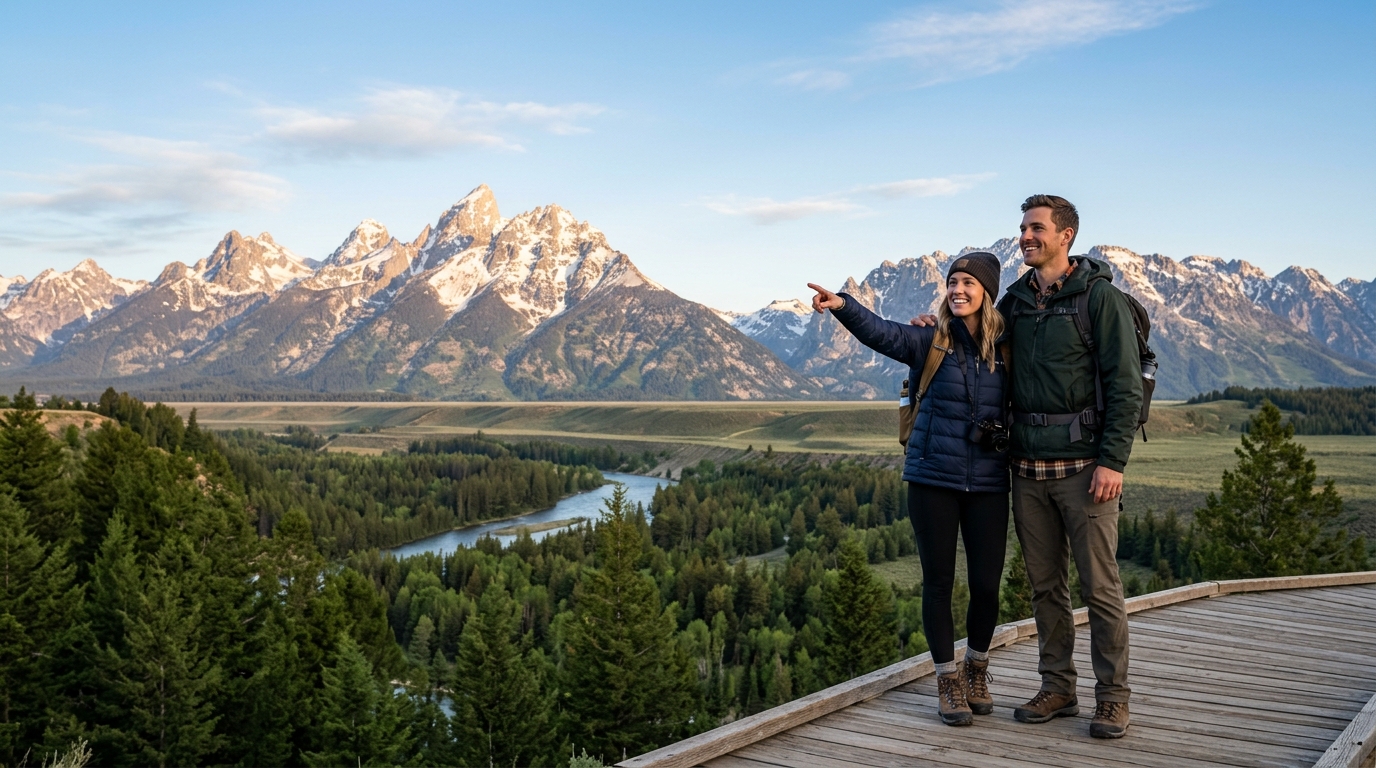
You’ve booked your flights, circled dates on the calendar, and started scrolling through photos of the Tetons. Now comes the real question: what do you actually do when you land in Jackson Hole?
Your first Jackson Hole weekend needs smart planning to balance iconic sights with local experiences. Start with Town Square and [Grand Teton National Park](https://www.nps.gov/grte/index.htm), book lodging early in Teton Village or downtown, and budget for higher prices. Skip tourist traps by eating where locals go, timing activities for early morning, and leaving flexibility for weather changes and spontaneous discoveries.
This Jackson Hole first timer’s guide cuts through the noise. No fluff, no generic advice you could find anywhere. Just the real information you need to make your first visit count.
Getting Your Bearings in Jackson
Jackson sits at 6,237 feet elevation in a valley locals call “the hole.” The town itself has about 10,000 year-round residents, but that number swells during peak seasons.
You’ll hear people use “Jackson” and “Jackson Hole” interchangeably. Technically, Jackson is the town. Jackson Hole refers to the entire valley, including Teton Village, Wilson, and the areas stretching toward the national parks.
The airport (JAC) lands you just seven miles north of town. It’s the only commercial airport inside a national park, which means your descent offers views most airports can’t touch.
Rental cars book up fast here. Reserve yours the moment you confirm your flights. Public transportation exists through START Bus, but a car gives you freedom to hit trailheads and viewpoints on your own schedule.
Where to Stay for Your First Visit
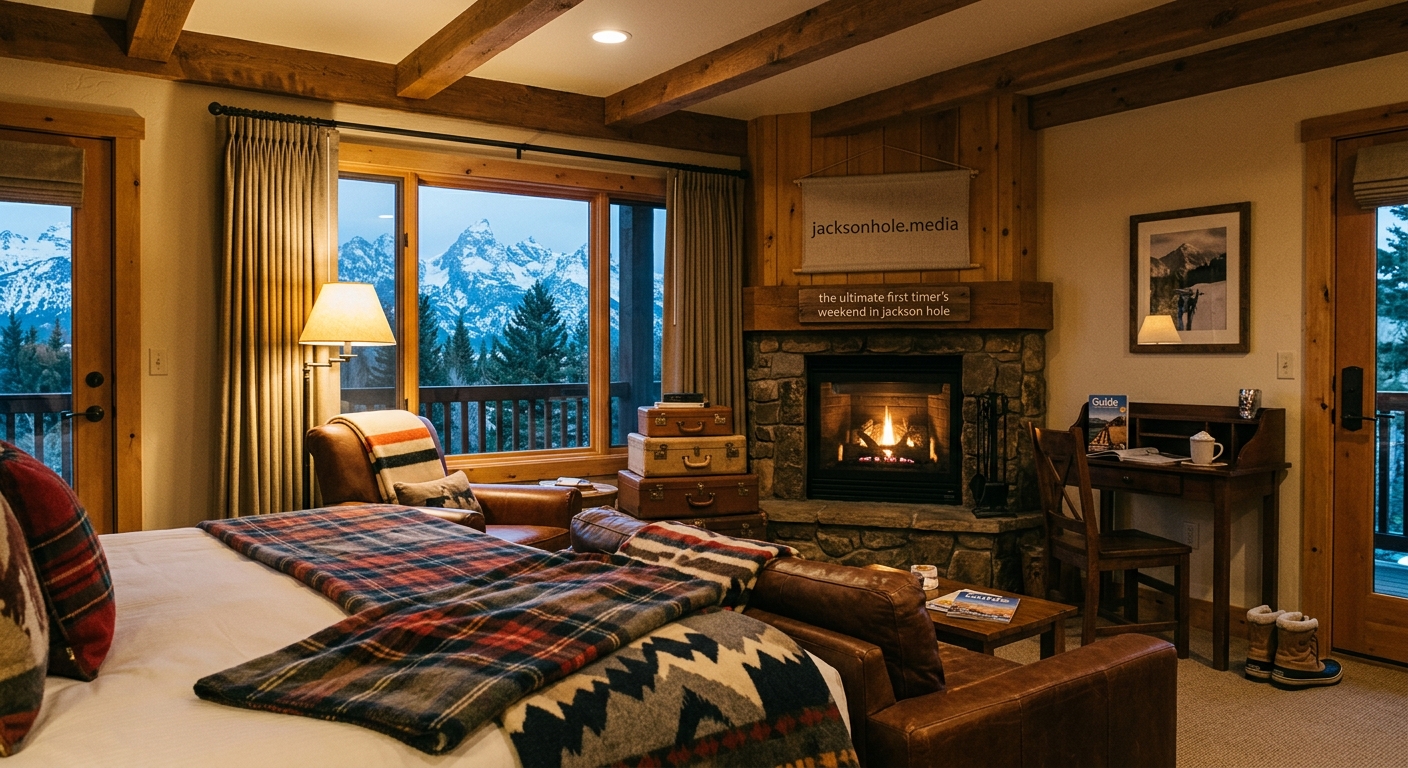
Location matters more in Jackson Hole than you might expect.
Downtown Jackson puts you within walking distance of restaurants, bars, and shops. You’ll pay premium prices, but you can leave your car parked and stumble back to your room after dinner at the Million Dollar Cowboy Bar.
Teton Village sits 12 miles northwest at the base of Jackson Hole Mountain Resort. Summer or winter, this area offers immediate access to the tram, hiking trails, and a cluster of high-end restaurants. The vibe skews quieter and more resort-focused than downtown.
Wilson and South Park neighborhoods give you a taste of where locals actually live. Prices drop slightly, and you’ll find vacation rentals with full kitchens that help offset Jackson’s restaurant costs.
Book at least three months ahead for summer visits. Six months ahead for winter ski season. Prices here reflect the limited supply and high demand. Budget hotels start around $200 per night in shoulder season. Expect $300 to $500 for mid-range options during peak times.
Your First 48 Hours: A Realistic Itinerary
Day One: Town and Teton Village
- Start at Town Square before 9 AM to photograph the elk antler arches without crowds blocking your shot.
- Grab breakfast at Persephone Bakery (get there by 8 AM or prepare to wait).
- Drive to Teton Village and ride the aerial tram to 10,450 feet for panoramic views of the valley.
- Hike down from the tram summit or ride back down, depending on your fitness level and acclimatization.
- Return to town for late lunch at Bin22 or Thai Me Up.
- Spend the afternoon browsing galleries on Center Street and Cache Street.
- Have dinner at Snake River Grill or Local if you’re celebrating something special.
Day Two: Grand Teton National Park
- Enter the park at Moose Junction by 7 AM to beat traffic and catch wildlife during active hours.
- Stop at Mormon Row for barn photos with the Tetons as backdrop.
- Hike to Taggart Lake (round trip takes about 90 minutes at a moderate pace).
- Pack a picnic lunch or eat at Dornan’s in Moose.
- Drive the Jenny Lake Scenic Loop and consider the boat shuttle across the lake.
- Head back through the park, stopping at Schwabacher Landing for sunset photos.
- Grab pizza at Calico or burgers at Liberty Burger back in town.
This schedule assumes summer or early fall conditions. Winter transforms everything, requiring different gear and expectations.
“Most first-timers try to cram Yellowstone into a weekend trip. That’s a mistake. Yellowstone deserves its own visit. Spend your first weekend getting to know the Tetons and Jackson properly. You’ll be back for Yellowstone later.” — Local guide with 15 years in the valley
What to Eat and Where Locals Actually Go
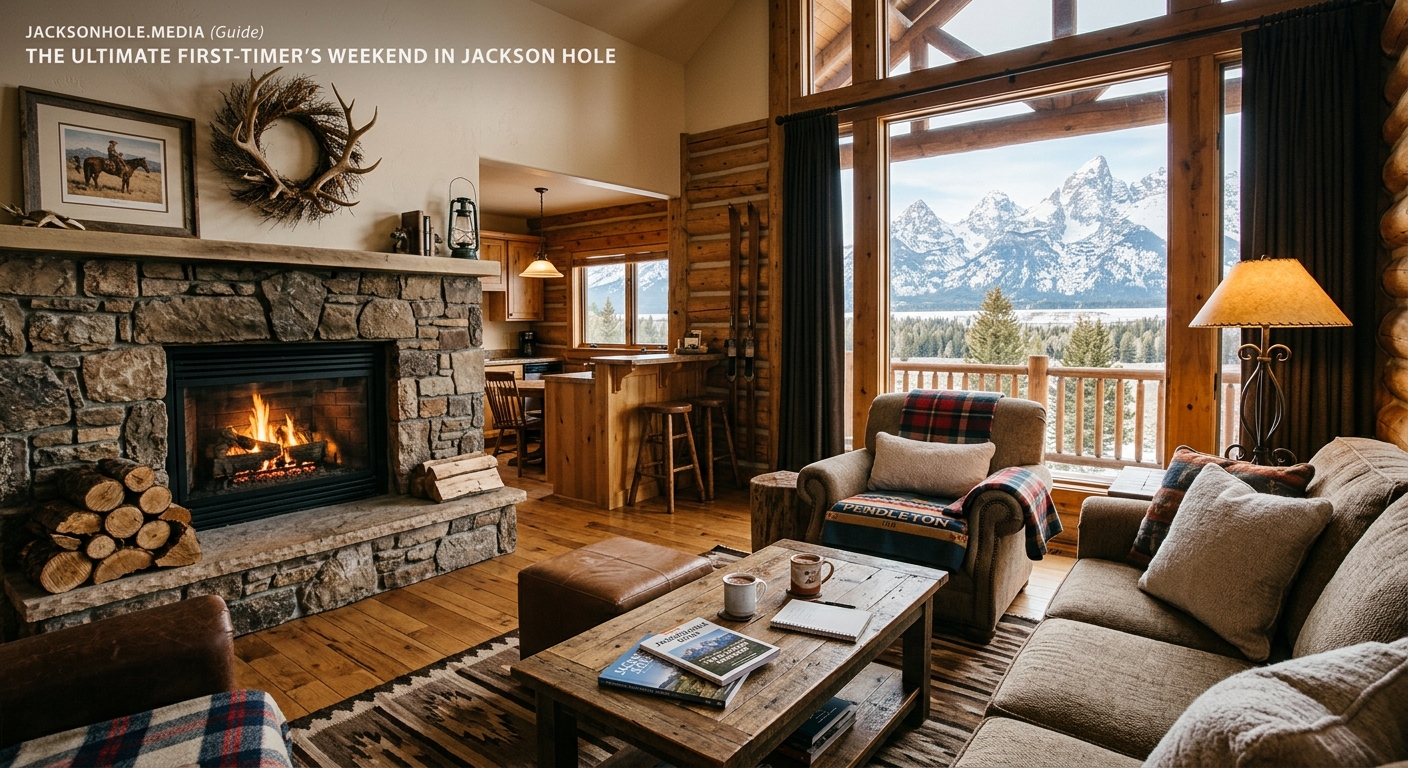
Jackson’s restaurant scene punches above its weight for a town this size. But tourist traps exist, especially around Town Square.
Breakfast spots worth the wait:
– Persephone Bakery (pastries, coffee, light breakfast)
– Lotus Cafe (organic, health-focused)
– The Bunnery (been here since 1974, still solid)
Lunch without breaking the bank:
– Pinky G’s Pizzeria (New York style, by the slice)
– Thai Me Up (cash only, authentic Thai)
– Bodega (Mexican street food, generous portions)
Dinner splurges that deliver:
– Snake River Grill (upscale American, wine list runs deep)
– Gather (farm to table, seasonal menu)
– Trio (American bistro, solid cocktails)
Where locals go when they’re spending their own money:
– The Rose (neighborhood spot, no pretense)
– Sidewinders Tavern (burgers, sports, locals)
– Q Roadhouse (barbecue, good value)
Coffee runs happen at Cowboy Coffee Co. or Jackson Hole Roasters. Skip the chains.
Budget $20 per person for casual lunch, $50 to $80 per person for nicer dinners before drinks and tip. Groceries at Smith’s or Jackson Whole Grocer cost 20 to 30 percent more than you’d pay in Denver or Salt Lake City.
Common Mistakes First-Timers Make
| Mistake | Why It Happens | Better Approach |
|---|---|---|
| Underestimating elevation | Sea level visitors don’t respect 6,000+ feet | Arrive a day early, hydrate aggressively, limit alcohol first night |
| Overpacking the itinerary | Trying to see everything in 48 hours | Pick three main activities per day, leave breathing room |
| Skipping reservations | Assuming you can walk into restaurants | Book dinner spots 3-7 days ahead in peak season |
| Wearing cotton on hikes | Bringing clothes from home without checking weather | Layer with synthetic or wool fabrics, pack for 40-degree swings |
| Driving to Yellowstone | Underestimating the 60-mile distance and park size | Save Yellowstone for a separate trip or add extra days |
| Ignoring wildlife safety | Treating elk and moose like petting zoo animals | Keep 25 yards from large animals, 100 yards from bears |
The elevation catches everyone. You’ll feel winded climbing stairs. Your beer hits harder. You might wake up with a headache your first morning. This is normal. Drink twice as much water as you think you need.
Activities Beyond the Obvious
Everyone tells you to see the Tetons. They’re right. But here’s what else deserves your time.
National Museum of Wildlife Art sits on a bluff overlooking the National Elk Refuge. The building itself is worth the visit, and the collection spans centuries of wildlife representation in art.
The Snake River offers float trips ranging from mellow scenic floats to whitewater sections. Book a morning trip with a local outfitter. The river runs through prime wildlife habitat. You’ll likely see bald eagles, osprey, and river otters. If you’re lucky, maybe a moose. Learn more about why a former Wall Street trader now guides fly fishing trips in the Snake River.
National Elk Refuge hosts thousands of elk during winter months. Summer visitors can still drive the loop and often spot pronghorn, bison, and various bird species.
Horseback riding connects you to Jackson’s ranching heritage. Several outfitters offer rides ranging from one hour to full-day excursions. The experience of riding through sagebrush with the Tetons looming overhead beats any dude ranch cliché you’re imagining. For a deeper look at authentic ranch life, read about the last working cowboys of the Gros Ventre Valley.
Live music happens nightly somewhere in town. Check the calendars at The Rose, Silver Dollar Showroom, or Pink Garter Theatre. The local music scene skews toward Americana, folk, and bluegrass. You might catch something special at why Jackson Hole’s cowboy poetry scene is having a renaissance.
Seasonal Considerations for First-Timers
Summer (June through August) brings warm days, cool nights, and afternoon thunderstorms. Trails are snow-free by late June. Wildflowers peak in July. Crowds peak too. Expect full parking lots at popular trailheads by 9 AM.
Fall (September and October) offers my favorite weather. Aspens turn gold. Elk bugle during the rut. Crowds thin after Labor Day. Some businesses close for shoulder season, but the ones that stay open have better availability.
Winter (December through March) transforms Jackson into ski town mode. Snow falls frequently. Roads require four-wheel drive or chains. The town gets quieter except around holidays. If you’re not skiing, winter activities include snowshoeing, cross-country skiing, and wildlife watching. Spring bear watching in Grand Teton beats any wildlife documentary once the season shifts.
Spring (April and May) is mud season. Many businesses close for maintenance. Trails are muddy or snow-covered. Locals take vacations. Unless you score cheap lodging deals, skip this window for your first visit.
Money Matters: What Things Actually Cost
Jackson Hole earned its reputation as an expensive destination. That reputation is accurate.
Here’s a realistic budget for a weekend:
- Lodging: $400 to $1,000 for two nights
- Rental car: $150 to $250 for three days
- Meals: $200 to $400 for two people (six meals, coffee, snacks)
- Activities: $100 to $300 (tram ride, museum entry, float trip)
- Gas and parking: $50 to $75
- Total: $900 to $2,025 for two people
You can trim costs by:
– Booking lodging in shoulder season
– Cooking some meals if your room has a kitchen
– Choosing free activities like hiking and photography
– Filling your tank before entering town (gas costs 30 cents more per gallon here)
You can’t really do Jackson Hole “on the cheap” the way you might hack other destinations. The isolation, limited supply, and high demand create a floor price. For context on local economics, see what it really costs to live in Jackson Hole in 2024.
Packing Essentials You’ll Actually Use
Forget generic packing lists. Here’s what matters specifically for Jackson Hole.
Layers beat heavy jackets. Temperature swings of 40 degrees in a single day are common. Start your morning hike in a puffy jacket, strip down to a t-shirt by noon, then layer back up for evening.
Sunscreen and lip balm with SPF. The elevation intensifies UV exposure. You’ll burn faster than you expect, even on cloudy days.
Reusable water bottle. Tap water here tastes great. Refill constantly.
Comfortable walking shoes. You’ll walk more than you think, even if you’re not hiking. Downtown sidewalks, museum floors, and casual trails all add up.
Binoculars. Wildlife viewing improves dramatically with decent optics. You don’t need $1,000 Swarovski glass, but a $100 pair makes the difference between seeing a brown blob and watching a grizzly dig for roots.
Camera with zoom capability. Phone cameras work fine for landscapes, but you’ll wish you had more reach for wildlife.
Cash. Some local spots still prefer cash. Having $100 in twenties saves hassle.
Navigating Like You Know What You’re Doing
The town layout is simple. Highway 89/191/26 runs north-south through Jackson as Cache Street heading north and Broadway heading south. Town Square sits at the intersection of Broadway and Center Street.
Teton Village is always “up the hill” even though you’re driving northwest. The airport is “north of town.” Wilson is “over the pass” (Teton Pass, heading west).
Locals measure distance in time, not miles. “Twenty minutes to the park” or “forty-five minutes to the south entrance.”
Cell service works well in town and Teton Village. It gets spotty in the parks. Download offline maps before you leave town.
The START Bus runs routes connecting Jackson, Teton Village, and points between. It’s free and runs reliably. But schedules limit flexibility for early morning or late evening plans.
Parking downtown is mostly free with two-hour limits. Pay lots charge $2 to $5 per hour. Teton Village parking is free but fills up on powder days in winter and busy summer weekends.
Making Your First Visit Count
Jackson Hole rewards preparation without requiring rigid planning. Book your lodging and rental car early. Make dinner reservations a few days out. But leave room for the spontaneous detour, the local recommendation, the weather-dependent pivot.
Your first weekend here won’t cover everything. That’s fine. You’re not trying to check every box. You’re getting a feel for the place, understanding why people keep coming back, and probably already planning your return trip before you’ve left.
The Tetons will still be here next time. The elk will still migrate through the refuge. The Snake River will still carve through the valley. Take your time. Pay attention. And remember that the best parts of Jackson Hole often happen in the margins between the planned activities.