
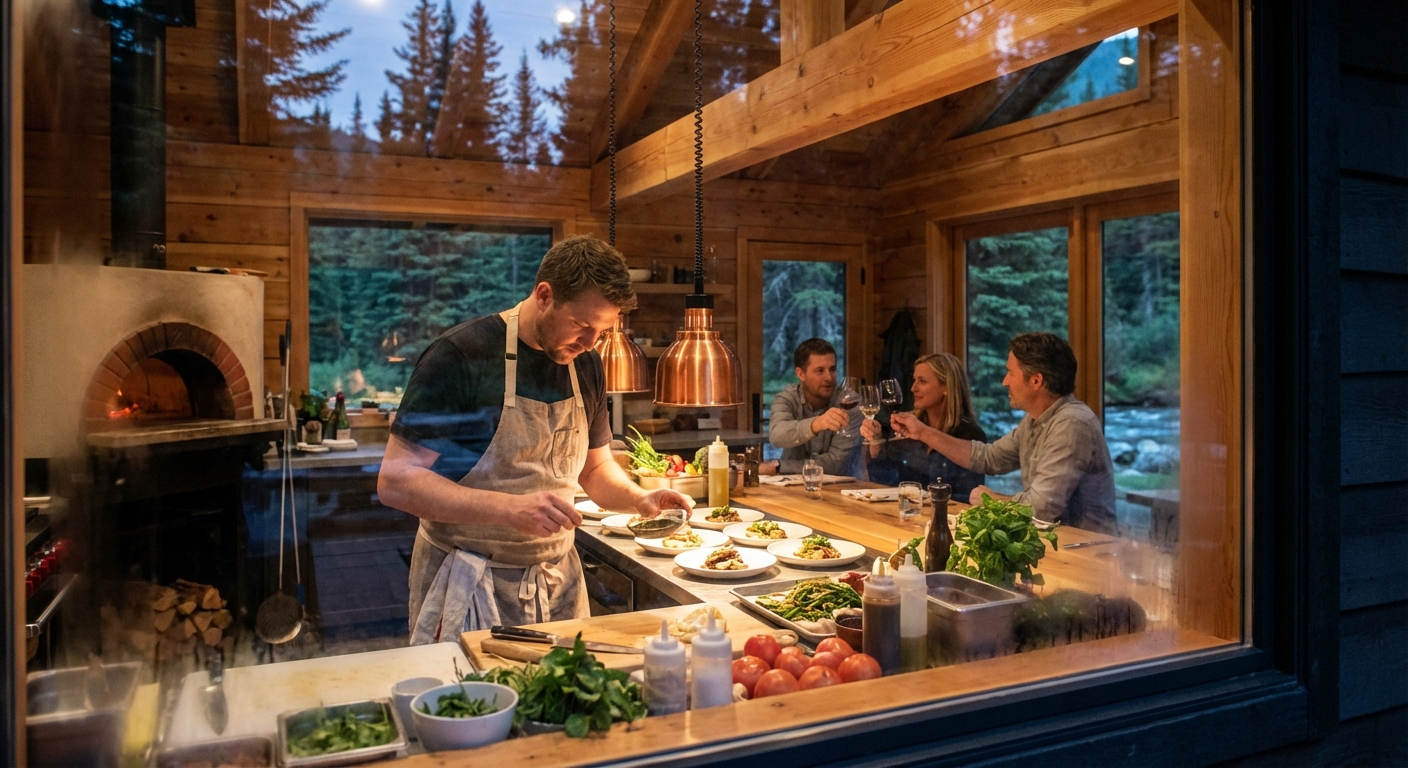
The Cache Creek supper club doesn’t advertise on billboards. You won’t find it listed on most dining apps. Yet every weekend, a select group of diners gathers in an intimate space tucked away from the main casino floor, where the chef knows their names and the menu changes based on what arrived fresh that morning.
The Cache Creek supper club operates as an invitation-only dining experience at Cache Creek Casino Resort, featuring seasonal menus, personalized service, and a rotating selection of rare wines. Reservations require Cache Club membership at specific tiers, with seating limited to 24 guests per evening. The experience blends traditional supper club nostalgia with modern culinary techniques, creating an atmosphere that feels more like dining at a friend’s estate than a casino restaurant.
What Makes This Supper Club Different
Most casino dining rooms seat hundreds. This one caps at two dozen.
The space occupies what used to be a private event room on the resort’s second floor. Dark wood paneling. Leather banquettes. A single long table that seats twelve, plus six smaller tables for two or four.
Executive Chef Marcus Rivera designed the concept after visiting classic supper clubs throughout Wisconsin and Minnesota. He wanted to recreate that feeling of exclusivity without the stuffiness.
“We’re not trying to be a steakhouse,” Rivera says. “We’re trying to be the place you go when you want to celebrate something that matters.”
The menu changes every two weeks. Sometimes more often if something exceptional shows up from their network of local suppliers.
Recent offerings have included:
- Wild king salmon with fennel pollen and citrus
- Dry-aged duck breast with cherry gastrique
- Handmade pasta with foraged mushrooms
- Wagyu ribeye with bone marrow butter
- Chocolate soufflé with salted caramel ice cream
Each course arrives when the kitchen decides it’s ready. No rushing. No timers. Just food at its peak.
How to Actually Get a Reservation
Here’s where it gets interesting.
You need Cache Club membership. But not just any level.
The supper club accepts reservations from Gold tier members and above. That means you’ve earned at least 25,000 tier credits in the previous twelve months. For context, that’s roughly $2,500 in slot play or $12,500 in table game action.
Once you qualify, the process works like this:
- Call the Cache Club concierge desk directly (the main reservation line won’t help you)
- Request available dates for the supper club experience
- Confirm your party size (minimum two, maximum six per reservation)
- Receive a confirmation number and detailed arrival instructions
Reservations open 30 days in advance. Popular dates like Valentine’s Day or New Year’s Eve fill within hours.
The resort doesn’t charge a cover or reservation fee. You simply pay for what you order. Most dinners run between $150 and $300 per person, depending on wine selections.
Walk-ins never happen. The host won’t even acknowledge the space exists if you’re not on the list.
“We designed this to reward our most loyal guests,” explains Cache Club Director Sarah Chen. “It’s not about spending the most money in one night. It’s about the relationship you’ve built with the resort over time.”
Inside the Kitchen Operation
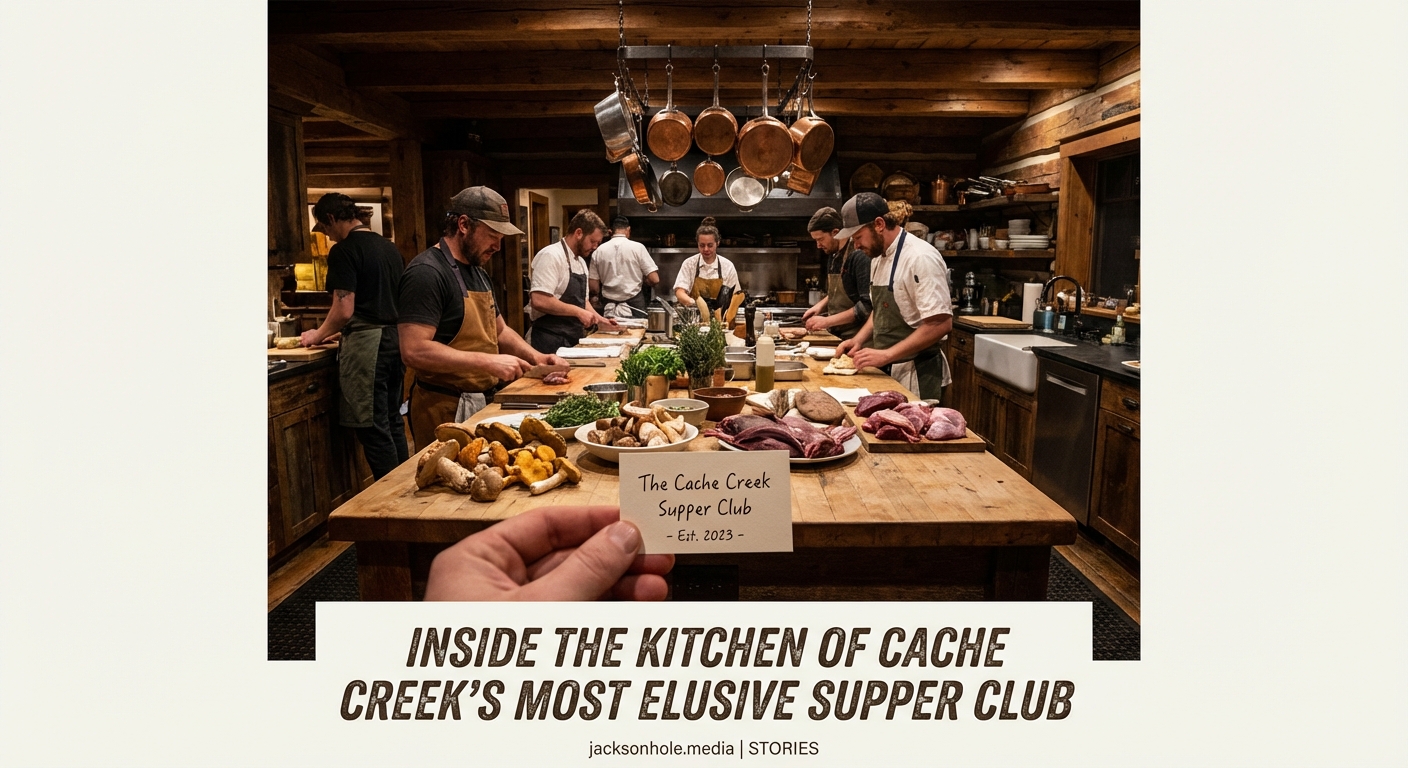
The supper club shares kitchen space with C2 Steak & Seafood, the resort’s flagship restaurant. But the team operates independently.
Chef Rivera hand-picks his supper club crew. Three line cooks. One pastry specialist. A dedicated expediter who ensures every plate meets standards before leaving the pass.
They start prep at 2 PM for service that begins at 6 PM. Everything gets made to order. No par-cooking. No shortcuts.
The protein selection changes based on what’s available:
| Protein | Source | Typical Preparation |
|---|---|---|
| Beef | Local ranches in Capay Valley | Dry-aged 28-45 days, wood-grilled |
| Duck | Liberty Farms, Sonoma County | Sous vide then seared, served medium-rare |
| Salmon | Wild-caught Pacific Northwest | Pan-roasted with herb butter |
| Lamb | Yolo County farms | Herb-crusted rack, roasted medium |
| Pork | Heritage breeds, Northern California | Slow-roasted shoulder or grilled chops |
The kitchen maintains relationships with foragers who supply seasonal ingredients. Spring brings morel mushrooms and ramps. Summer means heirloom tomatoes and stone fruit. Fall delivers wild game and root vegetables. Winter focuses on preserved and cured items.
Nothing arrives frozen except the occasional specialty item like Wagyu from Japan.
The Wine Program Nobody Talks About
The supper club’s wine list doesn’t appear online. It doesn’t exist in print form either.
Instead, sommelier David Park maintains a digital inventory that changes daily. He curates roughly 200 bottles at any given time, with an emphasis on small-production California wines and unexpected international selections.
Park sources directly from wineries when possible. He visits Napa and Sonoma twice monthly, tasting new releases and securing allocations that never reach retail shelves.
“Half our guests want something they recognize,” Park explains. “The other half want me to surprise them. I keep both groups happy.”
His recommendations often steer people toward lesser-known regions. Oregon Pinot Noir instead of Burgundy. Washington Syrah instead of Rhône. Portuguese reds instead of Italian.
The markup stays reasonable by fine dining standards. Most bottles range from $60 to $200. A few special selections climb higher, but Park doesn’t push them unless someone asks.
He also maintains a selection of rare whiskeys and vintage ports for after-dinner sipping. These rotate based on availability and guest preferences.
What the Regulars Know
The supper club has developed a core group of regulars who dine there monthly or more. These guests have figured out the unwritten rules that make the experience even better.
Arrive fifteen minutes early. The pre-dinner cocktail hour in the adjacent lounge sets the tone for the evening. Park often pours tastes of new wines he’s considering for the list.
Sit at the communal table if you’re comfortable with conversation. The smaller tables offer privacy, but the long table creates unexpected connections. People share stories, swap recommendations, and sometimes become friends.
Trust the kitchen on timing. Don’t ask them to rush courses or hold anything. The pacing exists for a reason. Each dish arrives when the previous one has been properly enjoyed.
Ask about off-menu options. Rivera keeps a few items in reserve for guests who want something different. He’s prepared custom vegetarian tasting menus, accommodated allergies, and recreated dishes from previous menus when asked nicely.
Skip dessert at the table. Take it in the lounge with coffee or an after-dinner drink. The change of scenery extends the evening without feeling forced.
Many regulars have developed relationships with the staff that extend beyond the dining room. They’ll text Rivera photos of interesting ingredients they spot at farmers markets. They’ll bring bottles from their own cellars to share. They’ll introduce friends who might appreciate the experience.
This creates a community feel that’s rare in casino dining. People return not just for the food but for the sense of belonging.
Common Mistakes First-Timers Make
Showing up in casino casual wear. The supper club maintains a dress code. Collared shirts for men. No athletic wear. No baseball caps. Think country club dinner, not poker room.
Ordering the most expensive items on the menu. The kitchen doesn’t price things based on quality. They price based on cost. Sometimes the $45 pasta dish represents better cooking than the $85 steak.
Filling up on bread. The kitchen makes excellent focaccia, but it arrives with olive oil from Séka Hills Olive Mill, and people tend to overdo it. Save room for the actual courses.
Rushing through the meal. This isn’t a place to eat and leave. Plan for two and a half to three hours minimum. Bring good conversation or come ready to meet new people.
Forgetting to tip appropriately. The service team works harder here than anywhere else in the resort. Standard is 20 percent minimum. Many regulars tip 25 to 30 percent.
Not asking questions. The staff loves talking about the food, the wine, the ingredients, and the preparation. Engage with them. The experience gets better when you show genuine interest.
The Seasonal Menu Philosophy
Rivera builds menus around the calendar, but not in obvious ways.
Spring doesn’t automatically mean lamb and asparagus. He might feature spot prawns from the Pacific or English peas prepared three different ways. The goal is to capture the feeling of the season, not just check boxes.
Summer menus tend toward lighter preparations. Raw and cured items. Chilled soups. Grilled vegetables that actually taste like vegetables. He’ll serve a whole grilled fish family-style if the table agrees to it.
Fall brings richness back to the menu. Braised meats. Root vegetables. Game birds. Dishes that require longer cooking times and deeper flavors. This is when the kitchen shows off its technical skills.
Winter focuses on preservation techniques. Cured meats. Pickled vegetables. Aged cheeses. Items that were put up during harvest season and have developed complexity over months.
The transitions between seasons happen gradually. You might see spring ingredients lingering into early summer, or fall flavors appearing before the official equinox. Rivera follows the ingredients, not the calendar.
Why It Works in a Casino Setting
Casino restaurants usually aim for volume. Turn tables. Serve hundreds. Keep the kitchen moving.
The supper club does the opposite. It creates scarcity and exclusivity in a place known for abundance and access.
This appeals to a specific type of casino guest. Someone who’s already comfortable with the resort. Someone who’s looking for experiences beyond gambling. Someone who appreciates the value of things that can’t be bought with a single transaction.
The Cache Club tier system provides the perfect framework. It rewards loyalty with access rather than just comps and free play. It makes people feel recognized for their patronship.
The location within the resort helps too. Cache Creek sits in Brooks, California, about 90 minutes from San Francisco and Sacramento. It’s far enough to feel like a destination but close enough for regular visits.
Guests often combine the supper club with an overnight stay. They’ll have dinner, spend some time in the casino, sleep in one of the resort’s rooms, and head home the next day. It becomes a mini-getaway rather than just a meal.
The surrounding area offers additional activities. The Capay Valley has wineries, olive groves, and hiking trails. People make weekends out of it, similar to how folks treat the ultimate first-timer’s weekend in Jackson Hole as a chance to experience everything a region offers.
The Team Behind the Experience
Rivera came to Cache Creek after running kitchens in San Francisco and Napa. He’d worked at Michelin-starred restaurants and high-volume hotel properties. The supper club concept appealed to him because it combined the best of both worlds.
“I can cook the food I want to cook,” he says. “But I have the resources of a major resort behind me. That’s rare.”
His sous chef, Amanda Torres, previously worked at The French Laundry. She handles most of the pastry work and oversees the prep team. Her attention to detail shows in every component of every dish.
Park, the sommelier, spent years working in wine retail before joining the resort. He knows the California wine industry intimately and has relationships with winemakers that give him access to limited releases.
The front-of-house team consists of four servers and two hosts who rotate through the supper club. They’re pulled from the resort’s best service staff and receive additional training specific to the intimate setting.
Everyone on the team works other positions in the resort when the supper club isn’t operating. This keeps them connected to the broader operation and prevents the kind of isolation that can happen with exclusive venues.
What Guests Actually Say
Online reviews are scarce because most guests discover the supper club through word of mouth. But the comments that do exist paint a consistent picture.
People mention the personalized service most often. The way staff remember drink preferences. The custom menu adjustments. The feeling that someone planned this meal specifically for them.
The food quality gets praised, but usually in comparison to expectations. “I didn’t expect this level of cooking in a casino” appears frequently. So does “better than most standalone fine dining restaurants.”
Wine selections surprise people. Many guests expect a standard casino wine list heavy on California Cabernet and Chardonnay. Instead they find variety and value.
The atmosphere generates mixed reactions. Some people love the intimacy and quiet. Others find it almost too quiet, especially if they’re seated at a table for two away from the communal table.
Complaints are rare but tend to focus on the reservation process. People wish it was easier to book. They want more advance notice. They’d like the option to reserve further out than 30 days.
Making the Most of Your Visit
If you manage to secure a reservation, a few strategies will enhance the experience.
Communicate dietary restrictions when you book. The kitchen can accommodate almost anything with advance notice. Springing allergies or preferences on them at service time limits what they can do.
Consider the tasting menu option. Rivera offers a chef’s choice progression for $175 per person. It’s not advertised, but it’s available if you ask. This gets you the best representation of what the kitchen can do.
Pace your drinking. The evening lasts several hours. Starting with cocktails, moving to wine, and finishing with digestifs can add up faster than you realize. Alternate with water.
Take photos if you want, but be discreet. The other guests came for an intimate experience. Flash photography and constant phone use disrupts that.
Engage with neighboring tables if you’re at the communal seating. But read the room. Some people want conversation. Others prefer to focus on their own party.
Leave time after dinner to walk around the resort. The grounds are beautiful, especially in the evening. It’s a nice way to digest and reflect on the meal before driving home or heading to your room.
Where This Concept Goes Next
Rivera has plans to expand the supper club concept, though nothing’s confirmed yet.
He’s considering monthly themed dinners built around specific ingredients or techniques. An all-mushroom menu in fall. A whole-animal dinner where every course uses different parts of the same pig or lamb. Regional deep dives into specific cuisines.
The resort is also exploring a daytime version for Sunday lunch. Same intimate setting, lighter menu, different price point. This would open the experience to guests who can’t commit to evening reservations.
There’s talk of a chef’s counter experience where six guests sit in the kitchen and watch the team work. This would be even more exclusive than the current setup and command a premium price.
Park wants to add more wine education components. Maybe quarterly tastings with winemakers. Or vertical tastings of single wines across multiple vintages. Events that deepen guests’ appreciation beyond just drinking.
The challenge is maintaining quality while expanding access. The current model works because it’s small and focused. Growing too fast could dilute what makes it special.
Why This Matters for Casino Dining
The Cache Creek supper club represents a shift in how casinos think about food.
For decades, casino restaurants served two purposes. Feed people so they stay on property. Comp high rollers to keep them gambling.
The supper club does neither. It doesn’t try to turn tables. It doesn’t comp meals. It exists purely as a dining destination that happens to be located in a casino.
This model works because it recognizes that modern casino guests want more than just gambling. They want experiences. They want to feel special. They want things they can’t get elsewhere.
Other resorts are watching. If Cache Creek can make a 24-seat restaurant profitable, others will try similar concepts. We might see more intimate dining experiences in casino properties across the country.
The key is authenticity. Guests can tell when something exists just to check a box versus when it comes from genuine passion for hospitality and cooking. The Cache Creek supper club succeeds because the people running it actually care about the food and the experience.
Finding Your Way to the Table
Getting into the Cache Creek supper club requires patience and planning. But for food enthusiasts seeking something beyond typical casino dining, it’s worth the effort.
Start by joining the Cache Club if you’re not already a member. Play your preferred games and build tier credits. Track your progress toward Gold status. Once you qualify, call the concierge desk and ask about availability.
Book as far in advance as possible. Be flexible with dates if you can. Weeknights offer better availability than weekends.
When your reservation is confirmed, mark it on your calendar and plan the rest of your evening around it. This isn’t a meal you rush through on the way to something else. It’s the main event.
Arrive with an open mind and an empty stomach. Let the team guide you through the experience. Trust their recommendations. Ask questions. Enjoy the rare pleasure of dining somewhere that values quality over quantity and relationships over transactions.
The Cache Creek supper club proves that exceptional dining can happen anywhere, even tucked away on the second floor of a casino resort, if the right people care enough to make it happen.