
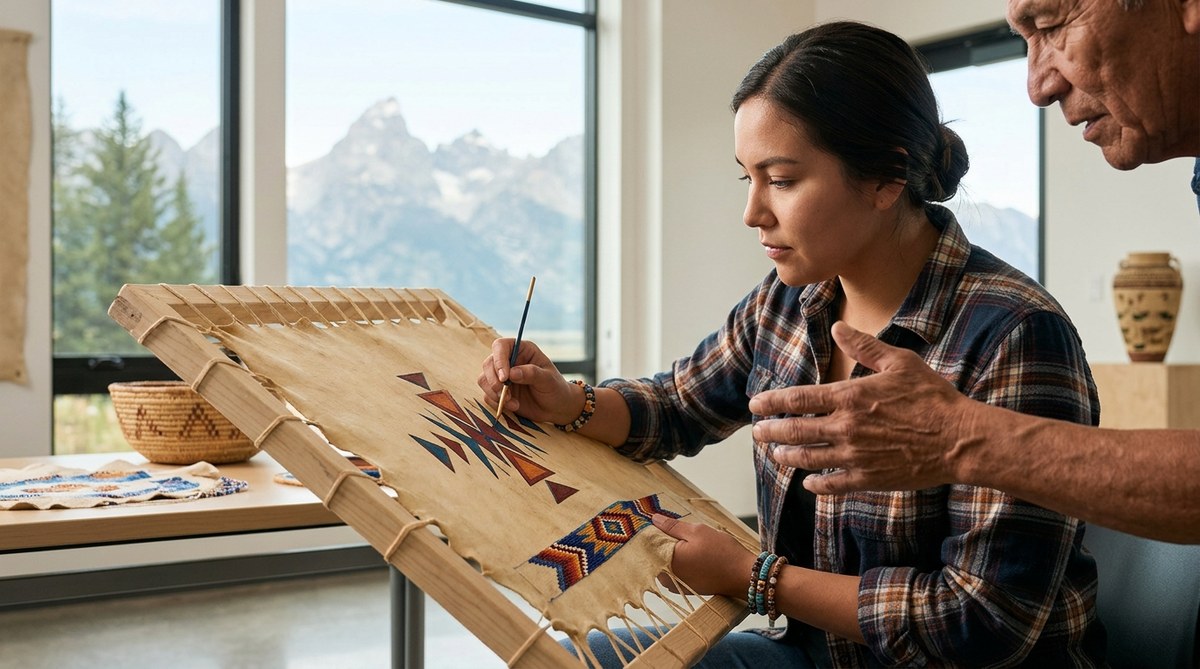
Jackson Hole, nestled in the heart of Wyoming’s breathtaking Teton Range, is often celebrated for its stunning scenery and outdoor adventures. Yet beneath its rugged beauty lies a vibrant cultural landscape rooted in Native American traditions. Indigenous art in Jackson Hole is more than just aesthetic; it’s a vital expression of heritage, identity, and resilience. As community members and artists work to preserve and revitalize these traditions, visitors and locals alike gain a deeper understanding of the region’s rich Native American history.
Jackson Hole’s indigenous art traditions are a living testament to Native American heritage. Through revitalization efforts, artistic practices, and community engagement, these traditions continue to thrive and evolve, offering a powerful connection to ancestral roots and cultural resilience.
The Roots of Indigenous Artistic Practices in Jackson Hole
Long before settlers arrived, the area now known as Jackson Hole was home to several Native tribes including the Shoshone, Nez Perce, and Crow. These tribes developed intricate artistic traditions centered around their relationship with the land, animals, and spiritual beliefs. Their art forms ranged from beadwork and hide painting to carving and weaving. These practices were not only artistic expressions but also acts of storytelling and cultural preservation.
Many of these traditions are reflected in the region’s enduring Indigenous crafts. For example, beadwork and quillwork feature prominently in regalia and ceremonial objects. Meanwhile, basket weaving and hide painting remain vital ways to honor ancestral stories and customs. Over time, external influences and historical shifts challenged these practices, but recent initiatives have sparked a cultural revival that seeks to honor and sustain these artistic legacies.
Reviving and Supporting Indigenous Art in Jackson Hole
In recent years, efforts to preserve and promote Native American art have gained momentum. Local tribes and cultural organizations are actively working to sustain traditional techniques while encouraging contemporary interpretations. These initiatives include workshops, art festivals, and collaborations with galleries and museums.
Many Native artists in Jackson Hole are blending traditional motifs with modern mediums. This approach not only keeps traditions alive but also allows for personal expression and adaptation. For instance, some artists incorporate digital art or mixed media into their work, creating pieces that resonate with today’s audiences while honoring their heritage.
Practical steps to engage with Indigenous art traditions:
- Attend local cultural events and art festivals celebrating Native heritage.
- Support Native artists by purchasing their work through galleries or online platforms.
- Participate in workshops or demonstrations to learn traditional techniques firsthand.
Artistic Techniques and Cultural Significance
Indigenous art in Jackson Hole employs a variety of techniques with deep cultural meanings. Beadwork, for example, often features geometric patterns symbolizing natural elements or spiritual concepts. Hide painting is used to depict stories, legends, and tribal histories, serving as a visual language passed down through generations. Carving of wood and bone creates masks, tools, and ceremonial objects that play vital roles in tribal rituals.
| Technique | Common Mistakes | Correct Practices |
|---|---|---|
| Beadwork | Overly tight stitches, inconsistent patterns | Using traditional materials, maintaining pattern accuracy |
| Hide painting | Using modern paints that damage hides | Employing natural dyes and preserving the integrity of hides |
| Carving | Rushing, neglecting detail | Taking time to understand symbolism, practicing patience |
| Weaving | Incorrect tension, poor material choice | Selecting authentic materials, controlling tension |
“Preserving indigenous art traditions is about more than aesthetics. It’s about safeguarding stories, identity, and spiritual beliefs for future generations,” emphasizes tribal elder and artist, Sarah Little Bear.
Common techniques and their pitfalls
Understanding the nuances of traditional techniques is essential. For example, beadwork requires patience and precision. Mistakes like uneven tension can distort the pattern. Similarly, hide painting demands respect for the materials and meaning behind symbols. Learning proper methods ensures that these art forms retain their cultural significance.
The Role of Community and Education in Cultural Revival
Community programs and educational initiatives are central to maintaining and revitalizing Indigenous art. Schools and cultural centers host classes and demonstrations to teach young generations traditional crafts. These programs foster pride and ensure that cultural knowledge continues beyond elders’ stories.
Museums and galleries in Jackson Hole increasingly feature Indigenous art exhibitions, providing platforms for Native artists to showcase their work. These exhibitions serve as educational opportunities for visitors and locals, fostering appreciation and understanding of Native traditions.
Practical ways to connect with Indigenous art in Jackson Hole include:
- Visiting cultural centers and museums dedicated to Native heritage.
- Participating in community-led art workshops.
- Supporting local Native artists through exhibitions and markets.
Techniques, Mistakes, and Best Practices
| Technique | Common Mistakes | Correct Practices |
|---|---|---|
| Beadwork | Overly tight stitches, inconsistent patterns | Using traditional materials, maintaining pattern accuracy |
| Hide painting | Using modern paints that damage hides | Employing natural dyes and preserving the integrity of hides |
| Carving | Rushing, neglecting detail | Respecting symbolism, practicing patience |
| Weaving | Incorrect tension, poor material choice | Authentic materials, controlled tension |
Wisdom from Indigenous Art Experts
“Revitalizing indigenous art is about reclaiming voice and story. When we teach and support these traditions, we ensure their survival and relevance,” says artist and cultural advocate, David Running Wolf.
Supporting the Cultural Renaissance
The ongoing cultural revival is a collective effort. Tribes, cultural organizations, artists, and community members all play roles in nurturing these traditions. Educational programs and public exhibitions are vital tools for fostering awareness and appreciation. Meanwhile, supporting Native artists directly helps sustain their craft and livelihood.
Visitors to Jackson Hole can participate meaningfully by seeking out authentic Native art and engaging with local cultural initiatives. Learning about the stories behind each piece enriches the experience and deepens respect for the community’s heritage.
Celebrating Indigenous Heritage Through Art
Jackson Hole is increasingly recognized as a hub for Indigenous artistic expression. From traditional beadwork and hide painting to contemporary artworks that honor ancestral stories, the region’s Indigenous art traditions are alive and thriving. This cultural vibrancy reflects a resilient community committed to honoring their past while embracing future possibilities.
By understanding and supporting these traditions, visitors and locals alike contribute to a cultural renaissance that sustains Native heritage for generations to come.
A Living Tradition in the Heart of Jackson Hole
The preservation and revitalization of indigenous art in Jackson Hole remind us that culture is a dynamic, evolving force. It connects us to ancestors and offers a voice for future generations. Engaging with Native art and supporting Indigenous artists enriches the community and ensures these meaningful traditions continue to flourish.
As you plan your visit or explore local art scenes, consider participating in workshops or purchasing authentic pieces. Your involvement helps keep these vital traditions alive and vibrant.
Final thoughts
Supporting indigenous art in Jackson Hole is about more than appreciating beauty; it’s about honoring a history that shapes the region’s identity today. Whether through community events, educational programs, or personal collections, every act of support contributes to a thriving cultural landscape. Embrace the stories, techniques, and resilience embedded in Indigenous art and help carry these traditions into the future.