
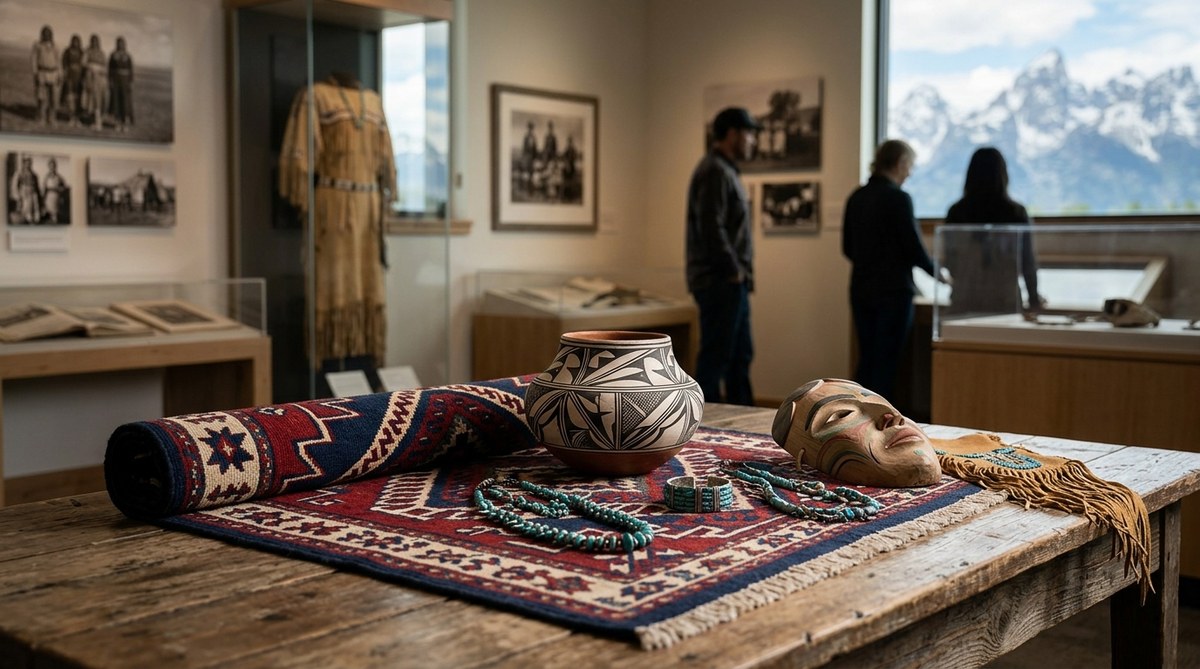
Jackson Hole is renowned for its breathtaking mountain scenery and outdoor adventures, but beneath its rugged exterior lies a deep-rooted Native American heritage. The Native tribes of the region have shaped the valley’s history for centuries, creating a vibrant tapestry of art, traditions, and cultural practices that continue to thrive today. Understanding this heritage offers visitors a richer appreciation of Jackson Hole’s identity and helps preserve its indigenous roots.
Unveiling Jackson Hole’s Native American Roots
The story of Jackson Hole begins long before it became a popular tourist destination. Native American tribes like the Shoshone, Nez Perce, and Bannock have called this land home for thousands of years. These tribes relied on the region’s abundant wildlife, fertile land, and strategic location for hunting, gathering, and cultural ceremonies. Their influence remains woven into the landscape and community fabric.
Today, visitors can uncover these stories through local museums, cultural centers, and art galleries that celebrate Native American traditions. Learning about the tribes’ history provides a window into the profound connection they maintain with the land, which continues to shape the region’s cultural identity.
Native Tribes Connected to Jackson Hole
The Shoshone People and Their Heritage
The Shoshone tribe holds a significant place in Jackson Hole’s history. Their name means “The Son of the Sun,” reflecting their spiritual connection to nature. Historically, they roamed the Teton Range and surrounding valleys, hunting bison and fishing in the rivers. Their oral traditions, beadwork, and pottery are treasured expressions of their cultural identity.
The Nez Perce and Their Journey
The Nez Perce have a deep historical presence in the broader region. Their migration stories and craftwork, especially their intricate beadwork and weaving, have influenced regional art forms. Though their primary homeland is further west, their interactions with the Jackson Hole tribes enriched the area’s cultural landscape.
The Bannock Tribe’s Contributions
The Bannock tribe, known for their resilience and adaptability, also played a role in shaping Jackson Hole’s history. Their traditional dances and storytelling continue to be shared at cultural events, fostering a sense of community and remembrance.
How Native American Traditions Are Preserved Today
Cultural Centers and Museums
Visitors interested in understanding Jackson Hole’s indigenous culture can visit the National Museum of Wildlife Art, which features Native American art collections. Additionally, the Museum of the Mountain Man hosts exhibits dedicated to the tribes’ history and their interactions with early explorers.
Community Events and Powwows
Annual events like the Teton Powwow celebrate Native American music, dance, and crafts. These gatherings serve as opportunities for tribes to showcase their traditions and educate the public about their cultural heritage. Attending these events offers an authentic glimpse into Native community life.
Contemporary Native Art
Modern Native artists from the region create compelling works that blend traditional techniques with contemporary themes. Their art often reflects ongoing cultural stories, environmental concerns, and identity. Supporting local Native artists helps sustain this vibrant artistic tradition.
Artistic Techniques and Cultural Significance
Native American art in Jackson Hole employs a variety of techniques, each carrying deep meaning:
| Technique | Description | Common Mistakes |
|---|---|---|
| Beadwork | Creating intricate designs with glass beads | Using low-quality beads; inconsistent tension |
| Dreamcatchers | Handwoven with natural fibers, decorated with feathers | Overly tight weaving; incorrect feather placement |
| Pottery | Hand-shaped with symbolic motifs | Cracks from improper firing; neglecting traditional patterns |
| Leatherwork | Crafting items like jewelry and clothing | Improper stitching; using non-traditional materials |
| Painting | Using natural pigments for storytelling | Overly modern styles; neglecting cultural symbols |
Techniques and Mistakes
Understanding proper techniques is essential for appreciating Native art authentically. For example, beadwork requires meticulous attention to tension and color combinations. Mistakes like using inferior beads or inconsistent tension can diminish the artwork’s quality and cultural integrity.
Expert Advice
“Authentic Native American art is rooted in tradition. When creating or purchasing pieces, focus on craftsmanship and the story behind each design,” advises tribal artist Lisa Whitecloud. Supporting such artists ensures the preservation of these meaningful practices.
Engaging in Cultural Practices
Participating in or observing Native traditions offers a profound connection. Many tribes host workshops on traditional crafts, storytelling sessions, and dance demonstrations. These activities foster understanding and respect for their cultural heritage.
Practical Steps to Engage
- Attend a local powwow or cultural festival.
- Visit galleries featuring Native art.
- Take part in workshops led by tribal artisans.
Supporting Native Art and Culture in Jackson Hole
To sustain the vibrancy of Native American traditions, visitors and locals alike can:
- Purchase artwork directly from Native artists.
- Volunteer at cultural events.
- Educate themselves and others about indigenous history and practices.
By doing so, the community honors its indigenous roots while promoting a deeper appreciation for Native American art and traditions.
Jackson Hole’s Living Heritage
Jackson Hole’s Native American traditions are not just relics of the past. They are a living, breathing part of the community. From art exhibitions to cultural festivals, the tribes continue to share their stories and talents.
How You Can Keep the Tradition Alive
- Respect cultural practices and ask permission before photographing artwork or ceremonies.
- Support tribal-run businesses and artisans.
- Educate yourself about the history and significance of Native customs.
Sharing the Cultural Legacy
Visitors can deepen their understanding by engaging directly with Native communities. Many tribes welcome respectful visitors to cultural centers or participate in storytelling nights. These experiences foster mutual respect and help preserve these traditions for future generations.
Celebrating the Spirit of Native Art and Traditions
Jackson Hole stands as a testament to the resilience and creativity of its indigenous peoples. Their contributions enrich the region’s identity, offering a unique layer of meaning to every mountain vista and cultural event.
Final Thoughts on Embracing Jackson Hole’s Native Heritage
Embracing Native American art and traditions in Jackson Hole enriches your visit beyond outdoor adventures. It deepens your connection to the land and its original stewards. Take time to learn, support local artisans, and participate in community events. These actions help ensure that the vibrant legacy of Jackson Hole’s Native tribes continues to thrive in 2026 and beyond.